
Hospitality Operations Research
Facility Management
Research for hotel facility managers, engineering teams and maintenance departments focused on shower-system reliability, service access, replacement parts, cleaning coordination, standardization and lifecycle operation.
Operations Perspective
A shower system is not finished when construction ends. Facility teams inherit every valve, cartridge, hose, seal, trim component and service condition in the guestroom.The best hotel shower system is one the property can keep operating.
Hospitality maintenance teams work with the decisions made during design and procurement for years after opening. Concealed components, proprietary cartridges, difficult service access or inconsistent fixture families can turn simple repairs into extended room downtime.
Facility management research therefore evaluates shower systems through maintainability, component availability, isolation strategy, cleaning requirements, standardization and the operational impact of routine service.
Maintainability
Access to cartridges, valves, hoses and serviceable components without unnecessary disruption to finished surfaces.
Spare Parts
Replacement continuity, common components, stock strategy and support for frequently serviced parts.
Room Availability
Maintenance decisions should consider how quickly a guestroom can be safely returned to service.
Facility Priorities
What matters after the hotel opens.
Operational quality depends on more than finish durability. Maintenance access, component commonality and service strategy affect the property’s ability to keep rooms available.
Accessible Components
Valves and cartridges should be serviceable without requiring avoidable demolition of tile, waterproofing or adjacent finishes.
Parts Availability
Long-term component support matters because a visually attractive fixture can become an operational liability if critical parts are difficult to source.
Common Components
Standardizing cartridges, valves, hoses and trim families can reduce inventory complexity and simplify technician training.
Housekeeping Compatibility
Finish selection, spray-face design and control geometry influence cleaning effort, mineral buildup and visible wear.
Service Without Broad Shutdowns
Isolation strategy can help maintenance teams address individual rooms or fixture groups without unnecessarily affecting larger portions of the property.
Long-Term Operating Cost
Maintenance labor, replacement parts, downtime and repeat failures can matter as much as initial fixture cost over the life of the property.
Serviceability should be designed before the first guest checks in.
Maintenance access becomes far more expensive to solve after tile, waterproofing and finish construction are complete.
Maintenance Planning
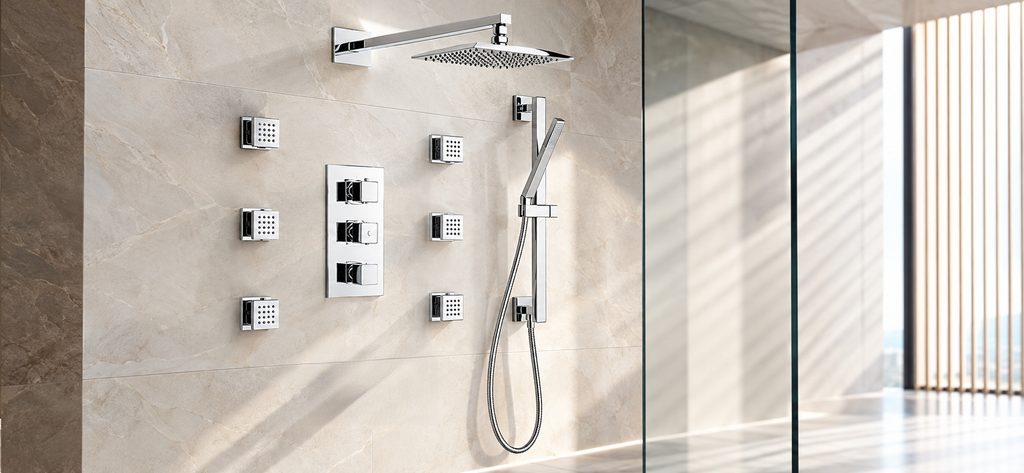
Concealed does not have to mean inaccessible.
Concealed shower systems can provide a clean architectural appearance, but maintenance teams still need a practical path to service cartridges, valves and connections. Rough-in planning, access strategy and product selection should anticipate maintenance before the wall is closed.
Explore Hotel Shower SystemsLifecycle Framework
Four stages shape operational reliability.
Facility teams benefit when specification, installation, commissioning and maintenance planning are connected. Operational problems often begin with decisions made much earlier.
Select for Serviceability
Consider cartridge design, component access, replacement continuity and the number of unique parts the property will need to support.
Protect Future Access
Rough-ins, trim, waterproofing and finished surfaces should preserve realistic service paths to components expected to require maintenance.
Verify Operation
Controls, temperature behavior, leaks, diverters and outlets should be checked before rooms are handed over for operation.
Standardize the Response
Spare parts, service documentation and repeatable procedures help technicians restore rooms more efficiently.
Day-to-Day Operations
Maintenance decisions affect housekeeping, engineering and guest experience.
Shower-system operation is shared across departments. Facility teams, housekeeping and property management all experience the consequences of fixture reliability and maintenance planning.
Diagnose and isolate failures quickly
Clear access, familiar components and available documentation can shorten troubleshooting and repair time.
Reduce cleaning complexity
Finish durability, exposed joints and mineral buildup influence routine cleaning effort and visual consistency.
Keep critical parts predictable
Standardized cartridges, hoses and valves can reduce the number of spare components a property must carry.
Minimize out-of-order room time
Faster diagnosis, part availability and service access can help return guestrooms to operation sooner.
Facility Checklist
Questions to ask before standardizing a shower system.
These questions help facility teams evaluate how a specification will behave once the property enters normal operation.
Can cartridges be serviced from the finished side?
Routine valve maintenance should not require unnecessary removal of waterproofing or finished tile.
Are replacement parts likely to remain available?
Consider long-term component continuity and whether common service parts can be stocked on property.
How many unique cartridges and hoses are being introduced?
Excessive variation can increase inventory, training and troubleshooting complexity.
Can an individual room be isolated for service?
Local isolation may reduce disruption compared with broader shutdowns affecting multiple guestrooms.
Does the finish tolerate expected cleaning practices?
Cleaning products and maintenance methods should be compatible with the fixture finish and surface treatment.
How long could a typical failure keep a room unavailable?
Service access, diagnosis, parts availability and repair complexity should all be considered in lifecycle planning.
Related Research
Continue into hospitality operations.
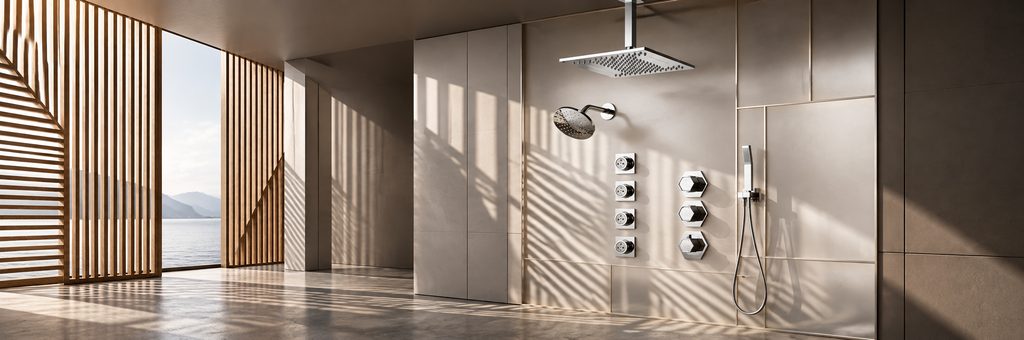
Hotel Shower Systems
Compare system types, valve arrangements, installation requirements and operational implications.
Explore Systems
MEP & Plumbing Research
Understand the water-system decisions that affect long-term fixture performance and maintenance.
Read Research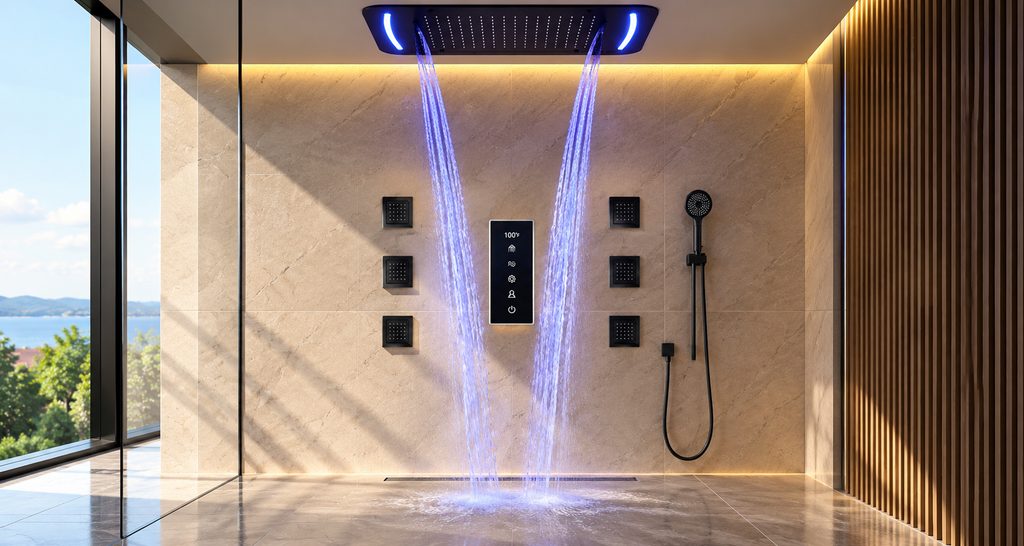
Hotel Shower Systems & Maintenance Planning
Explore how system configuration, rough-ins and service access affect long-term facility maintenance.
Read Research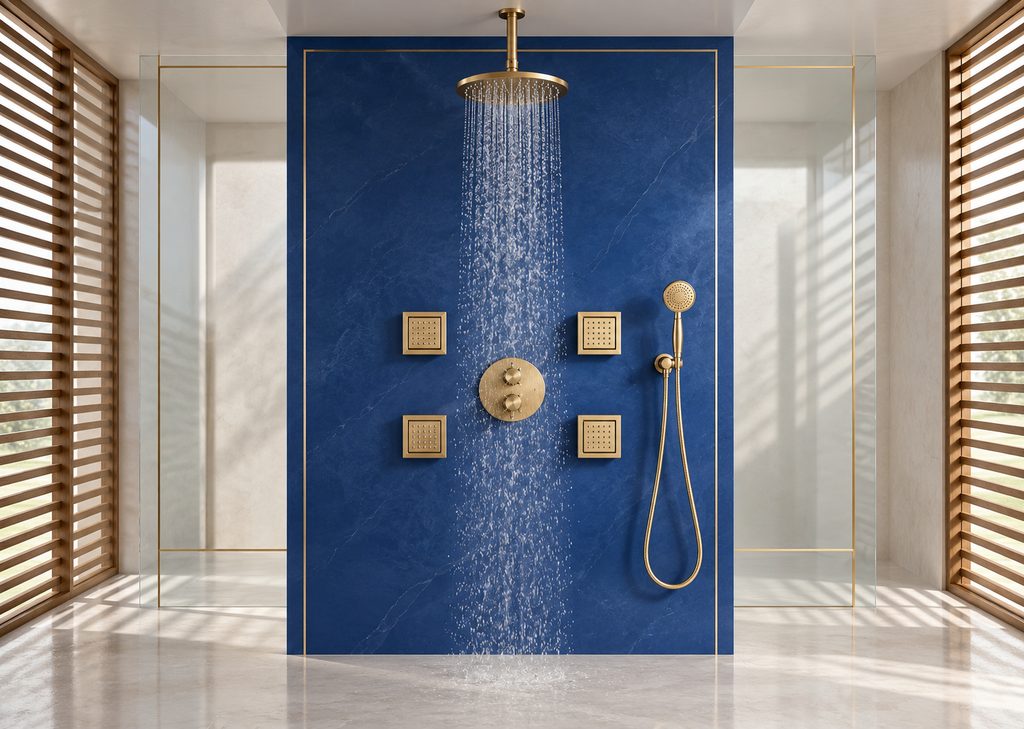
Operations Research
Design for the day after opening.
Continue through Hospitality Shower’s research on shower systems, MEP engineering, shower systems and procurement to connect specification decisions with maintenance, serviceability and room availability.