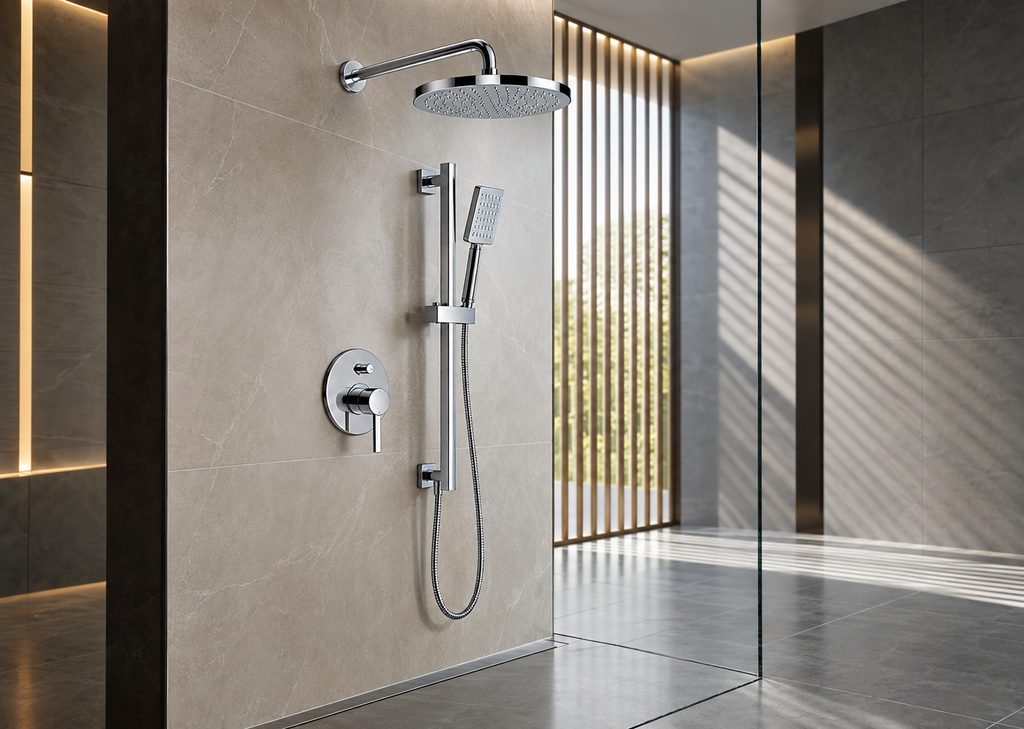

Hospitality Shower Systems
Hotel Shower Systems
Research and technical guidance for hospitality shower systems, from rain showers and handheld configurations to thermostatic controls, multi-outlet assemblies, plumbing coordination, installation and lifecycle maintenance.
System Research
Hotel shower systems should be evaluated as part of the building’s water, hot-water, drainage and maintenance infrastructure.The right hotel shower system depends on more than appearance.
Hospitality bathrooms combine architecture, plumbing, waterproofing, guest expectations and long-term maintenance. A shower system must therefore be evaluated in relation to pressure, flow, valve configuration, hot-water capacity, drainage, service access and the type of property where it will operate.
A luxury resort suite may prioritize a broad rain-shower experience and multiple outlets, while a high-room-count business hotel may place greater emphasis on straightforward controls, predictable flow, serviceability and fixture standardization.
System Configuration
Overhead showers, handhelds, body sprays, control placement and wet-zone arrangement.
Water Delivery
Pressure, flow demand, valve capacity, hot-water supply and drainage coordination.
Serviceability
Cartridges, trim access, replacement components, cleaning and room-return-to-service considerations.
System Types
Common hotel shower configurations.
Hospitality projects may use a single shower outlet or a coordinated multi-function system. Complexity should be matched to the building, guest profile and maintenance strategy.
Rain Shower Systems
Ceiling- or wall-mounted overhead showers used to create broad spray coverage and a more immersive guest experience.
Hand Shower Systems
Handheld shower arrangements can improve flexibility, cleaning access, accessibility and bathing convenience.
Thermostatic Systems
Thermostatic valves are used to regulate mixed-water temperature and can support more consistent shower operation.
Combination Systems
Systems combining overhead showers, hand showers or additional outlets require careful valve, flow and drainage coordination.
In-Wall Valve Systems
Concealed valves can create a clean visual appearance but increase the importance of rough-in accuracy and long-term service access.
Surface-Mounted Systems
Exposed systems can simplify certain installations and provide more direct access to operational components.
Engineering conditions create very different shower-system constraints.
Pressure, piping, valve capacity, access and waterproofing can all affect the appropriate shower system.
Project Planning
MEP & Plumbing Coordination
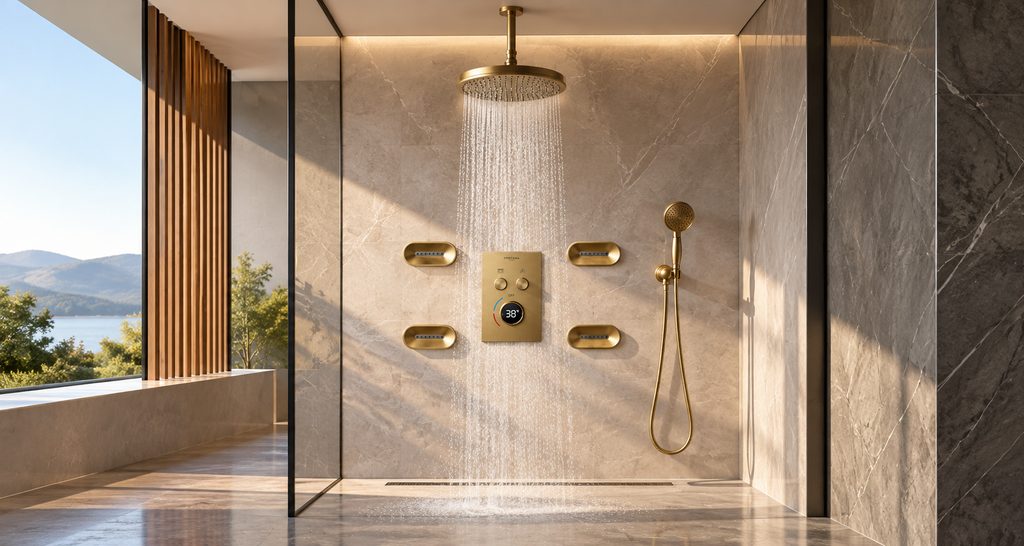
Hospitality shower systems should be coordinated with available pressure, flow demand, valve capacity, hot-water supply, drainage, wall conditions and realistic service access before final specification.
Explore MEP & Plumbing ResearchTechnical Performance
Four system factors that deserve early coordination.
Shower performance can change substantially when fixture selection is separated from water-system design. Technical coordination should occur before final product selection and installation.
Available Water Pressure
Shower outlets must operate within the available building pressure. Pressure losses through piping, valves and elevation should be considered alongside outlet requirements.
Combined Flow Demand
Multi-outlet systems can increase simultaneous demand and may require greater valve capacity, larger supply lines and additional hot-water capacity.
Temperature Control
Valve selection should support safe and predictable temperature control while matching the intended operating configuration.
Drainage Capacity
Shower drainage and wet-zone design should be coordinated with the expected system flow and the number of simultaneously operating outlets.
Hospitality Applications
System priorities change by property type.
A shower system that works well in one hospitality environment may be unnecessarily complex—or technically unsuitable—in another.
Guest experience with controlled complexity
Premium properties may prioritize larger shower zones, overhead rain showers, handhelds and refined control design, while still requiring reliable servicing behind the finished wall.
Wellness-oriented shower configurations
Resort and spa environments may use larger-format shower experiences where water demand, drainage and simultaneous operation require more extensive engineering coordination.
Repeatability and straightforward operation
High-room-count properties often benefit from simpler controls, consistent components and standardized systems that reduce maintenance complexity across the portfolio.
Compatibility with existing building conditions
Renovation projects may need to retain existing supply locations, wall depths or drainage while introducing a more contemporary shower experience.
Specification Guide
Questions to resolve before specifying.
Product selection becomes easier once project conditions are known. The following questions should be addressed early enough to influence plumbing, wall construction and equipment coordination.
How many outlets will operate at the same time?
Simultaneous operation affects valve capacity, flow demand, hot-water load and drainage requirements.
What pressure is available at the guestroom?
Pressure should be evaluated at the expected fixture operating condition rather than assumed from static building pressure alone.
Where will valves and serviceable components be located?
Concealed systems should be coordinated with wall construction, waterproofing and realistic maintenance access.
How will the system be standardized across rooms?
Standardized cartridges, trims and internal components can reduce spare-parts complexity and streamline hotel maintenance.
Is the shower being designed for renovation or new construction?
Existing rough-ins, wall depth and drainage conditions may limit options that would otherwise be practical in new construction.
Related Research
Continue your shower-system research.
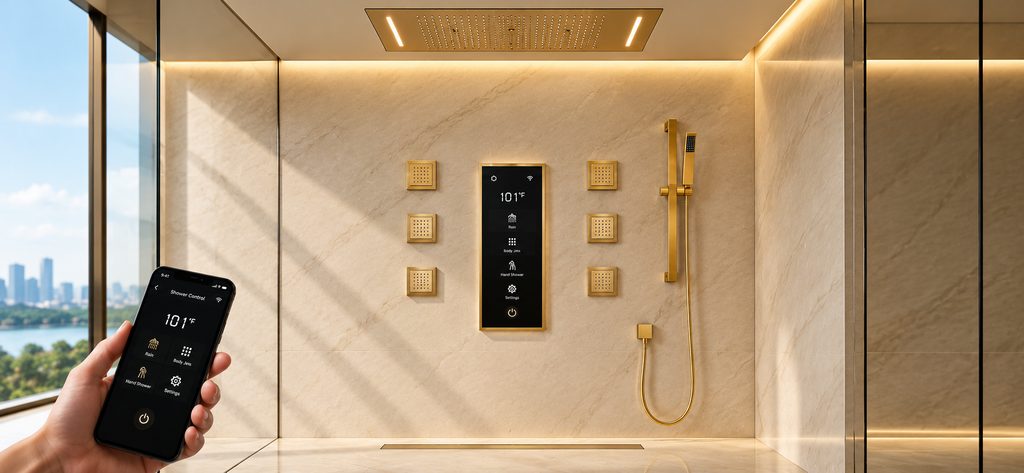
MEP & Plumbing Research for Hotel Shower Systems
Review pressure, flow, valve capacity, rough-ins, service access and plumbing coordination.
Read Research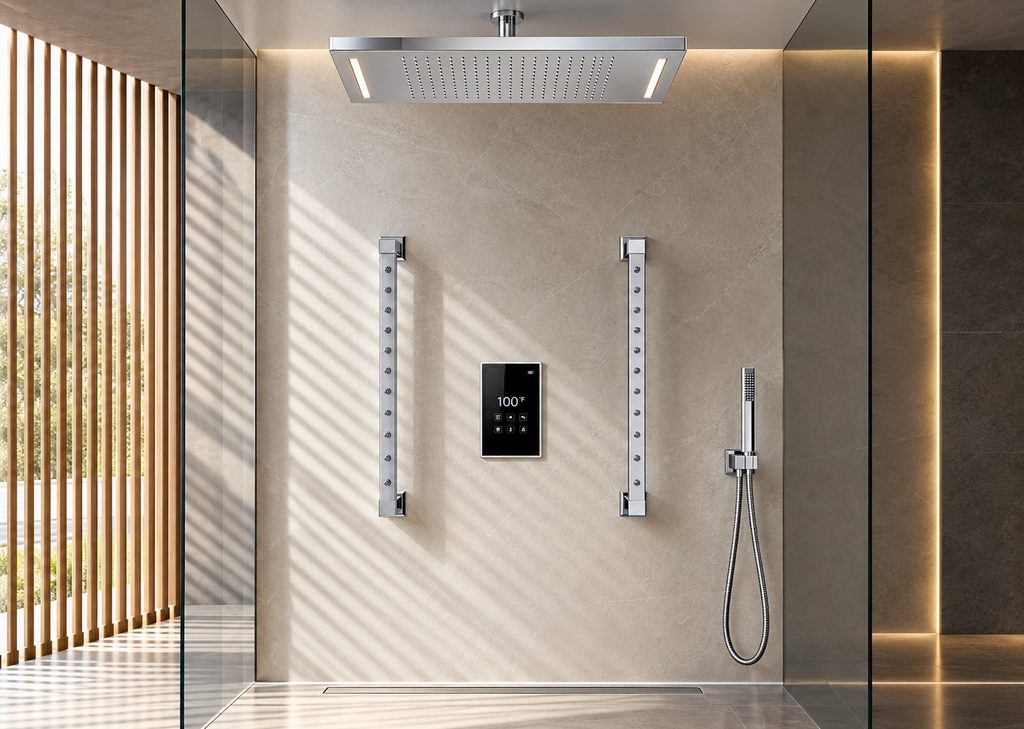
Hotel Bathroom Research for MEP & Plumbing Consultants
Technical considerations involving hydraulics, valves, hot-water systems and concealed plumbing.
Read Research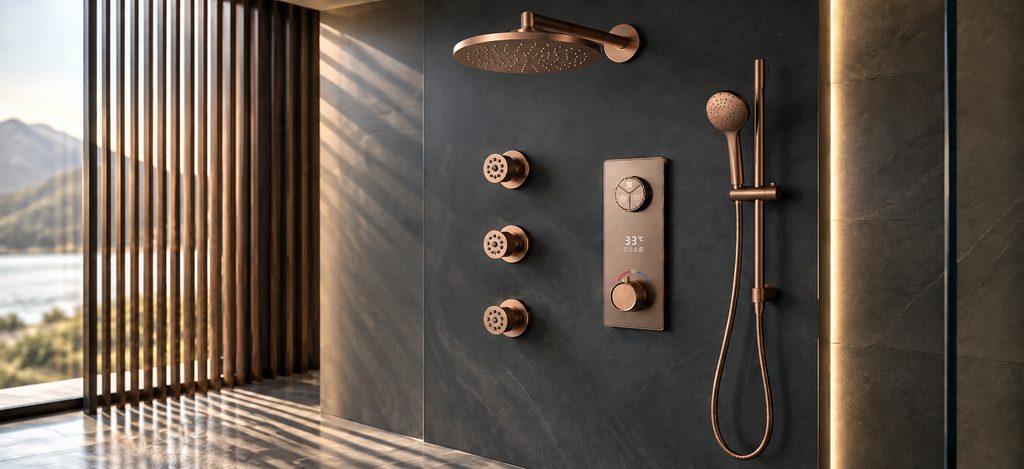
Hotel Bathroom Systems for Maintenance Teams
Service access, replacement components, standardization and lifecycle maintenance.
Read Research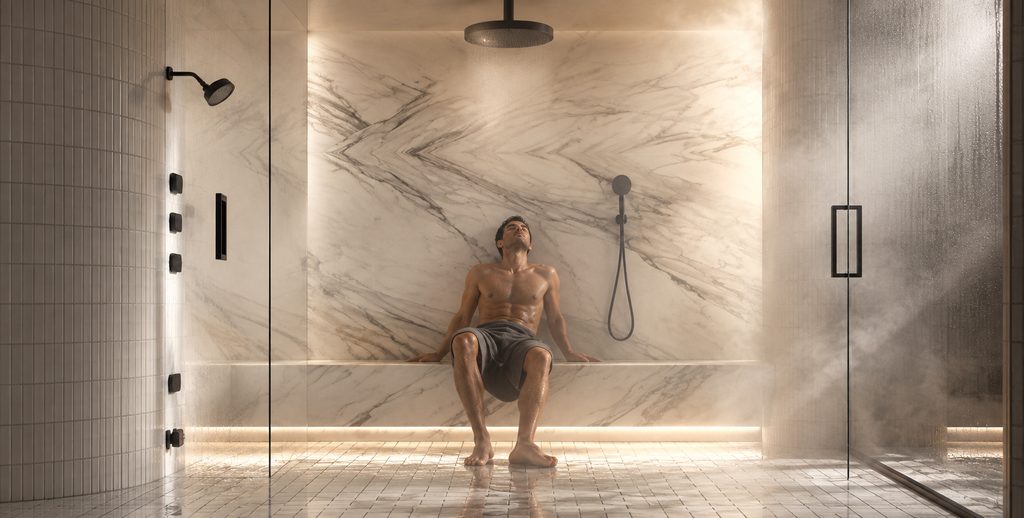
Continue Research
Study the building before finalizing the shower system.
Use the Hospitality Shower research library to examine plumbing, specification, renovation, facility management and procurement issues before product decisions are finalized.