
Hospitality Procurement Research
Procurement Research
Research for hotel owners, developers, procurement managers, purchasing teams and project consultants focused on shower-system specification, sourcing, lead times, substitutions, documentation, standardization, spare parts and lifecycle value.
Procurement Perspective
Hospitality fixture procurement should connect design intent, technical requirements, commercial reality and long-term operation.Lowest first cost is not always the lowest project cost.
Shower procurement decisions affect installation, substitutions, commissioning, maintenance, spare-parts inventory and future replacement. A lower initial price can create higher lifecycle costs when compatibility, documentation or component continuity are overlooked.
Procurement research therefore considers technical compliance, project schedule, sourcing risk, standardization and long-term support alongside initial purchase price.
Technical Compliance
Verify that selected products meet the intended system configuration, technical requirements and project documentation.
Supply & Schedule
Lead times, availability, alternates and delivery sequencing can influence construction progress and project risk.
Long-Term Value
Replacement parts, standardization and maintenance impact should be considered alongside acquisition cost.
Procurement Priorities
What should be checked before the purchase order.
Procurement teams can reduce downstream risk when fixture selection is verified against design intent, engineering requirements, project schedule and operating strategy.
Specification Match
Confirm model, configuration, finish, valve type, flow characteristics and required accessories against the approved project documents.
Lead-Time Risk
Long-lead valves, trims or specialty finishes can affect construction sequencing if procurement begins too late.
Substitution Review
Substitutions should be evaluated for technical equivalency, compatibility, appearance, maintenance and documentation—not price alone.
Common Fixture Families
Limiting unnecessary variation can simplify installation, maintenance training, spare parts and future room renovations.
Submittals & Turnover
Drawings, installation literature, part references and service documentation should remain accessible throughout construction and operation.
Service Continuity
Consider whether cartridges, valves, hoses and trims can be supported throughout the expected property lifecycle.
A technically acceptable substitute is not automatically an operational equivalent.
Replacement products should be reviewed across engineering, installation, finish, serviceability and lifecycle criteria.
Substitution Review
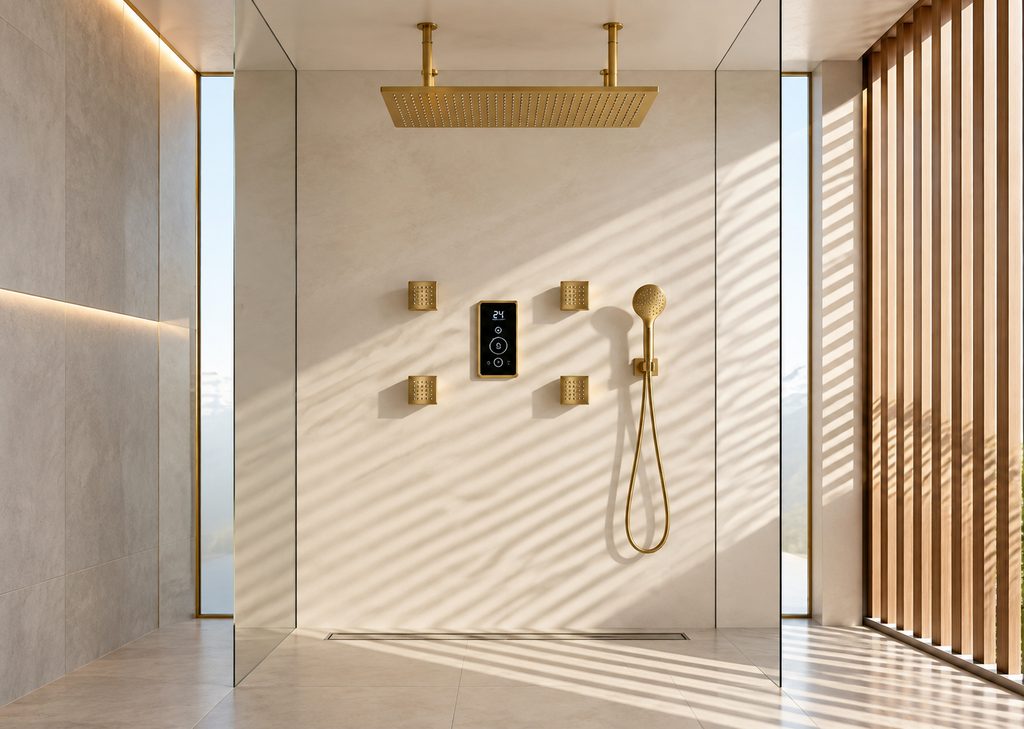
Compare the system—not just the visible trim.
Two shower systems may appear similar while using different rough-ins, valve architecture, cartridge designs or service components. Procurement review should consider compatibility with approved plumbing, wall construction and future maintenance before accepting an alternate.
Explore MEP & Plumbing ResearchProcurement Framework
Four dimensions of purchasing risk.
Hospitality procurement is strongest when technical, commercial, installation and operational requirements are reviewed together instead of sequentially.
Specification Compliance
Model configuration, valve architecture, water performance, dimensional requirements and required accessories should match approved project requirements.
Cost & Schedule
Purchase price should be evaluated alongside delivery, lead time, freight, availability and the cost of schedule disruption.
Installation Compatibility
Approved rough-ins, wall depths, piping and waterproofing may limit when a late substitution can be introduced safely.
Lifecycle Support
Spare parts, documentation, standardization and service continuity influence the long-term value of a procurement decision.
Project Coordination
Procurement decisions affect more than purchasing.
Hospitality fixture packages connect ownership, architecture, engineering, construction and operations. Each group carries different risk when specifications change.
Protect lifecycle value
Initial capital cost should be considered together with replacement continuity, maintenance exposure and operating impact.
Preserve approved intent
Finish, proportion, function and control layout should remain aligned with the approved guestroom design.
Confirm technical compatibility
Valve, flow, pressure and rough-in changes should be checked against the approved plumbing design before substitution.
Limit long-term variation
Common cartridges and service parts can reduce inventory, training and troubleshooting complexity.
Procurement Checklist
Questions to resolve before approval and release.
These checks help reduce late-stage substitution issues, missing components, installation conflicts and long-term support problems.
Is the exact model and configuration confirmed?
Verify trim, valve, outlets, mounting type, finish and required accessories before release.
Does the product match approved rough-in conditions?
Late valve or rough-in changes can create conflicts with finished walls, piping and waterproofing.
Are current lead times compatible with the project schedule?
Procurement timing should account for manufacturing, shipping, inspections and installation sequencing.
Has any substitution been technically reviewed?
Alternates should be evaluated for performance, dimensional compatibility, appearance and serviceability.
Are spare parts included in turnover planning?
Properties may benefit from an initial stock of critical cartridges, hoses or frequently serviced components.
Is complete service documentation being retained?
Model numbers, parts diagrams and installation literature should remain accessible to facility teams after handover.
Is unnecessary product variation being introduced?
Excessive variation between room types can increase purchasing, inventory and maintenance complexity.
Related Research
Continue into hospitality specification.
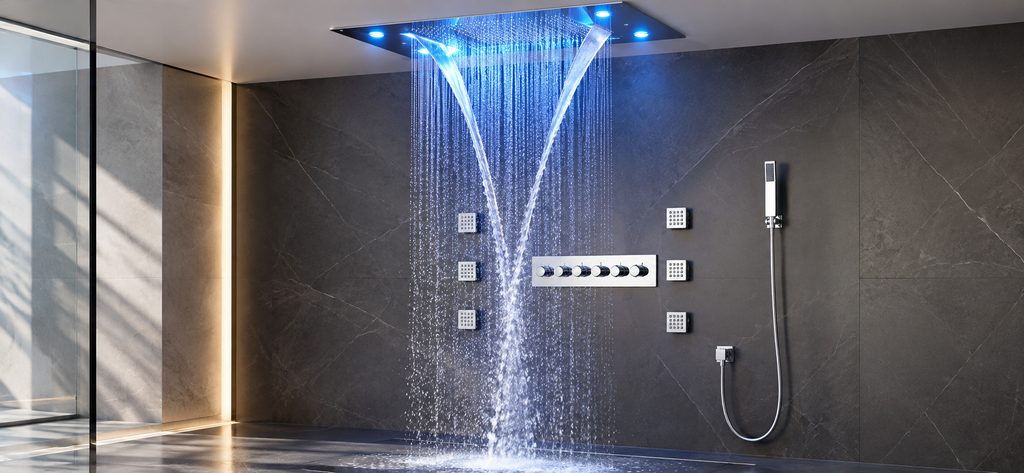
Hotel Shower Systems
Understand shower configurations, valves, controls and installation considerations before procurement.
Explore Systems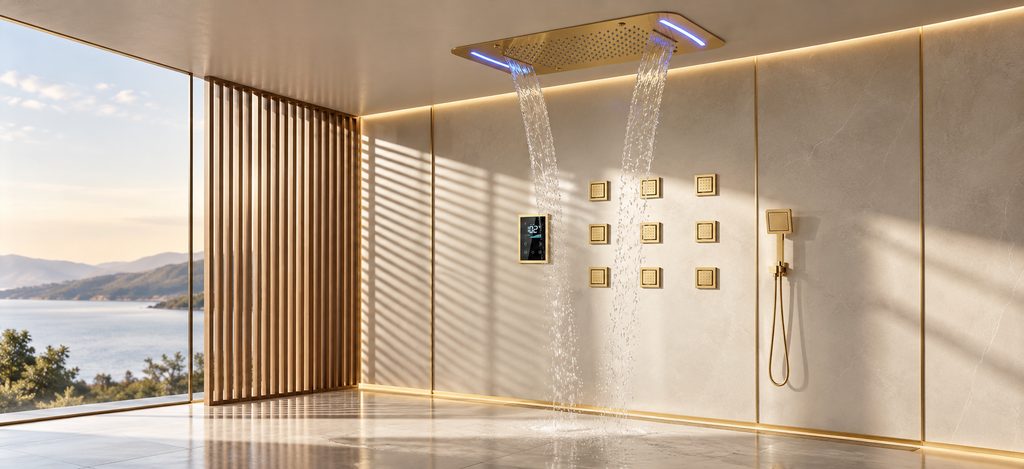
MEP & Plumbing Research
Review flow, pressure, valve capacity, hot-water demand and plumbing compatibility.
Read Research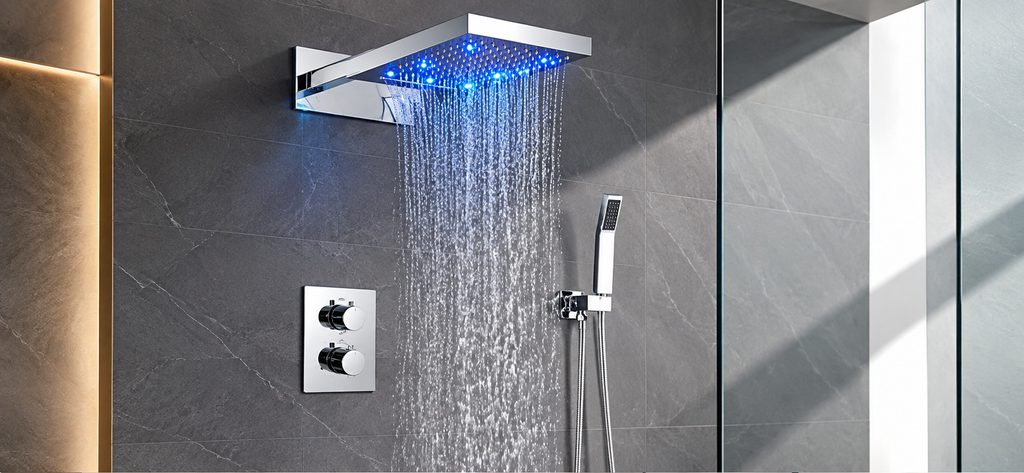
Facility Management
Connect procurement choices with maintenance, spare parts, standardization and room downtime.
Read Research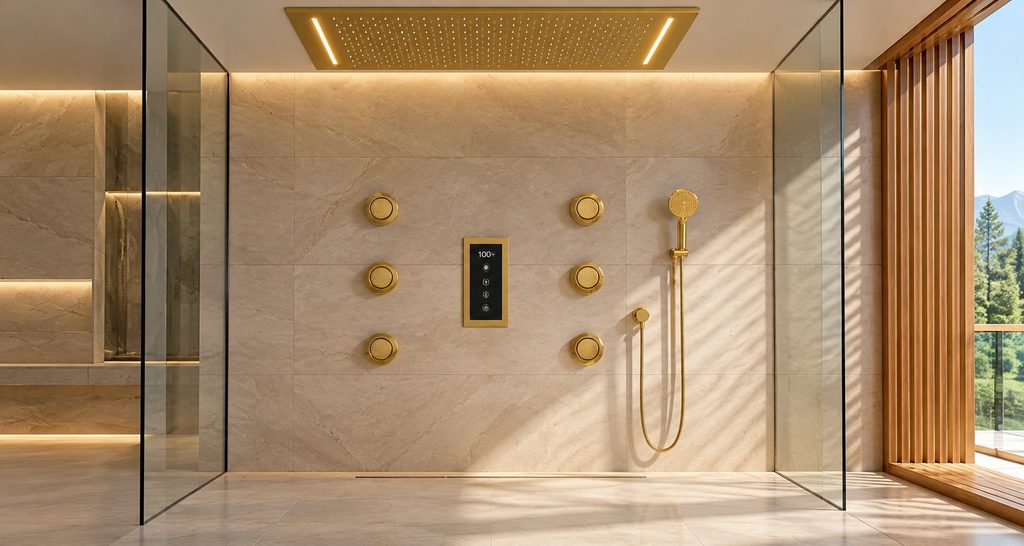
Procurement Research
Buy the system the project can support long after handover.
Continue through Hospitality Shower’s research on shower systems, plumbing engineering and facility management to connect procurement decisions with installation, serviceability and lifecycle performance.