
Hospitality Engineering Research
MEP & Plumbing Research
Technical research for MEP engineers, plumbing consultants and hospitality project teams examining hotel shower flow, pressure, thermostatic control, hot-water demand, drainage, pipe sizing, valve capacity and system coordination.
Engineering Perspective
Hotel shower performance depends on the interaction between fixture selection and the building’s domestic-water infrastructure.Shower performance starts upstream of the shower head.
A hospitality shower may appear to be a simple terminal fixture, but its performance depends on water pressure, pipe sizing, valve architecture, hot-water availability, balancing strategy, system diversity and drainage capacity.
MEP engineers and plumbing consultants therefore need to evaluate the shower as part of a coordinated building system rather than as an isolated decorative selection.
Pressure & Flow
Available pressure, friction loss, valve demand, simultaneous operation and outlet performance.
Temperature & Demand
Mixed-water flow, hot-water generation, recirculation and thermostatic control strategy.
Discharge Coordination
System flow, shower-floor design, drain capacity and simultaneous water discharge.
Technical Research
Core plumbing questions in hospitality shower design.
These topics influence guest experience, fixture performance, domestic-water infrastructure and the long-term reliability of hospitality bathroom systems.
Pressure & Flow
Available static pressure alone does not define shower performance. Engineers should consider dynamic pressure, friction loss, elevation and fixture demand at operating conditions.
Pipe Sizing
Branch piping and risers should support the intended shower configuration while controlling velocity and pressure loss throughout the distribution system.
Domestic Hot-Water Demand
Shower flow rates, room count, diversity and operating patterns influence hot-water generation, storage and recirculation strategies.
Thermostatic Mixing
Temperature-control strategy should account for fixture configuration, supply temperatures, pressure conditions and the selected valve architecture.
Valve Capacity
Rain showers, handhelds and body sprays operating together can create substantially greater flow demand than a single-outlet shower.
Drainage Coordination
Shower-system discharge should be coordinated with floor slope, drain selection, waterproofing and the expected simultaneous flow.
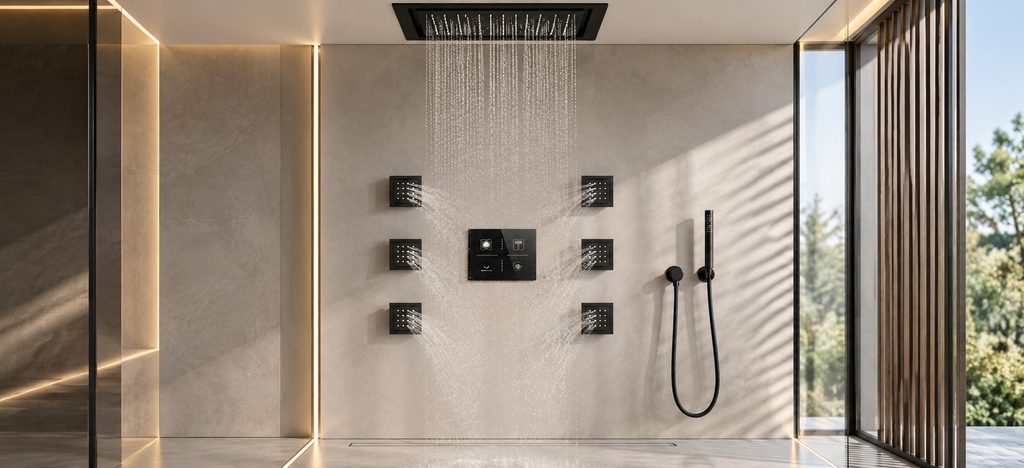
Multi-function showers can change the hydraulic picture quickly.
Adding outlets affects flow, hot-water demand, valve capacity, pipe sizing and drainage at the same time.
Multi-Outlet Engineering
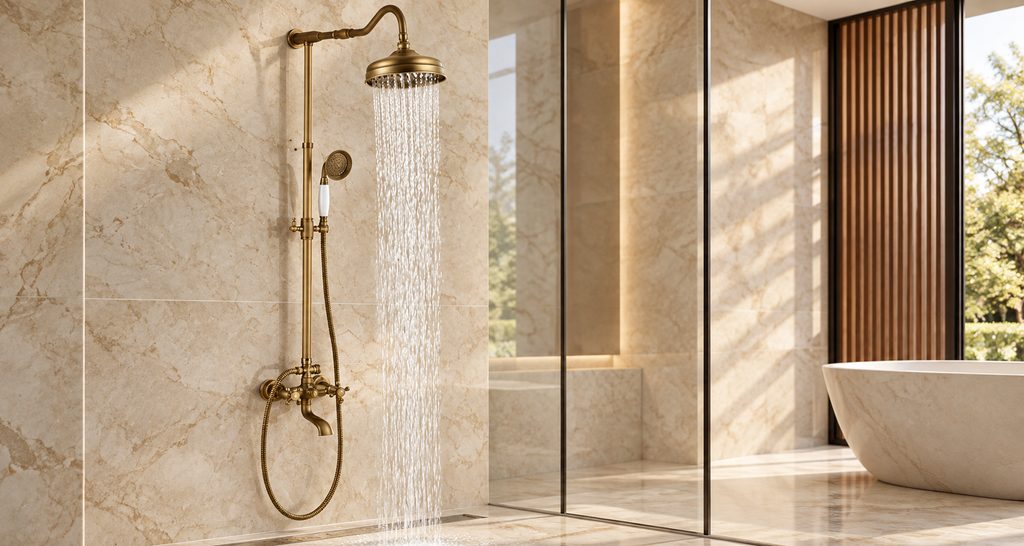
One shower valve does not always mean one flow condition.
A hospitality shower combining an overhead outlet and handheld may operate differently from a single-function system. When outlets are intended to operate simultaneously, engineers should verify valve capacity, branch piping, mixed-water supply and drainage against the actual operating condition.
Explore Hotel Shower SystemsEngineering Framework
Four systems should be coordinated together.
Shower-system engineering is strongest when domestic cold water, hot water, mixed-water control and sanitary drainage are considered as connected parts of one operating condition.
Domestic Water Supply
Available pressure, distribution losses, riser capacity and branch sizing directly affect outlet performance at the guestroom.
Hot-Water Generation
Shower demand contributes to peak domestic hot-water load, storage requirements and recovery considerations.
Temperature Control
Mixing strategy, valve performance and pressure balance influence temperature stability during actual shower operation.
Waste & Drainage
Shower discharge, floor slope and drain design should support expected operating flow without creating standing water or overflow risk.
Multidiscipline Coordination
Plumbing design cannot be separated from the bathroom architecture.
Concealed shower systems require coordination across architecture, structure, waterproofing, interior design and plumbing engineering.
Wall depth and rough-in space
Concealed valves, manifolds and piping require sufficient wall or service-zone depth before interior finishes are finalized.
Control and outlet placement
Valve controls, handheld brackets and overhead outlets should align with tile layouts, guest usability and the intended shower experience.
Penetrations and service access
Plumbing penetrations and serviceable components should be coordinated so future maintenance does not unnecessarily compromise finished wet areas.
Isolation and maintainability
Service strategy should consider isolation points, replacement components and how quickly a guestroom can return to operation after maintenance.
Design Checklist
Questions to resolve before final plumbing design.
These questions help align fixture selection with available water infrastructure and intended system operation.
What is the expected operating flow?
Use the intended outlet combination rather than assuming every shower operates as a single fixture.
What pressure remains at the fixture under flow?
Consider friction, elevation and simultaneous building demand when estimating available dynamic pressure.
Can the valve pass the required flow?
Valve capacity should be checked against actual operating configurations, especially with multiple outlets.
Can the hot-water system support peak demand?
Room count, diversity, shower duration and flow rate should be considered in the domestic hot-water strategy.
Is drainage coordinated with fixture discharge?
Shower drain selection and wet-zone geometry should match expected water discharge rather than appearance alone.
How will concealed components be serviced?
Future cartridge or valve maintenance should be anticipated before walls, tile and waterproofing are finalized.
Related Research
Continue into hospitality engineering.
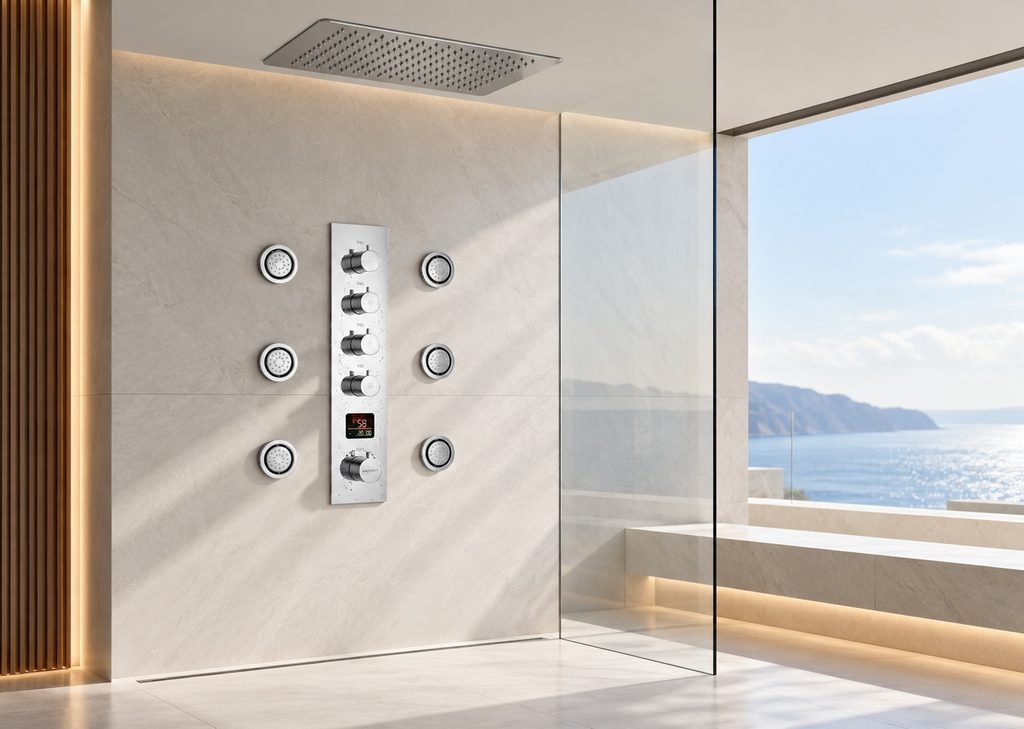
Hotel Shower Systems
Research shower configurations, controls, water delivery, installation and serviceability.
Explore Systems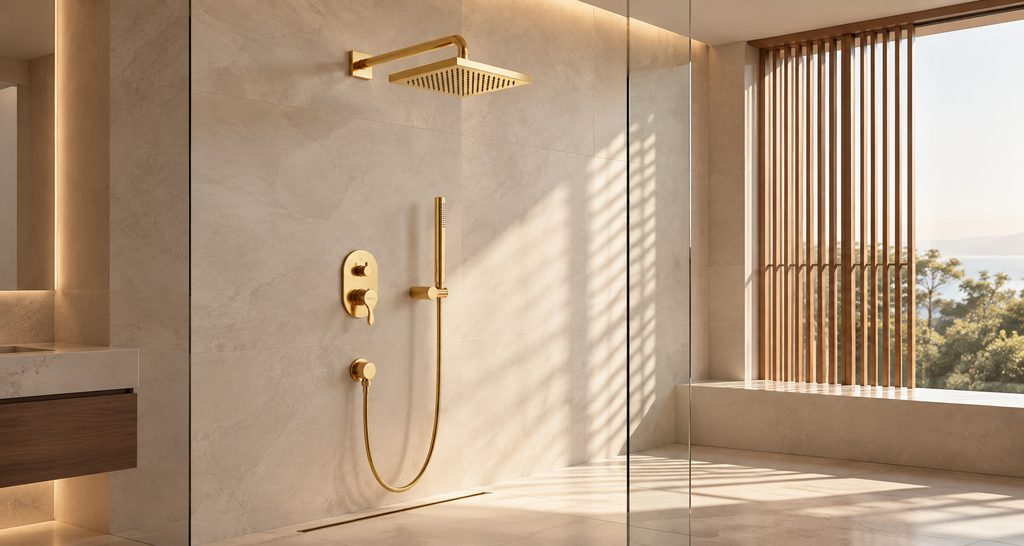
Hotel Shower Systems & Project Coordination
Review system configurations, rough-ins, plumbing constraints, service access and technical coordination.
Read Research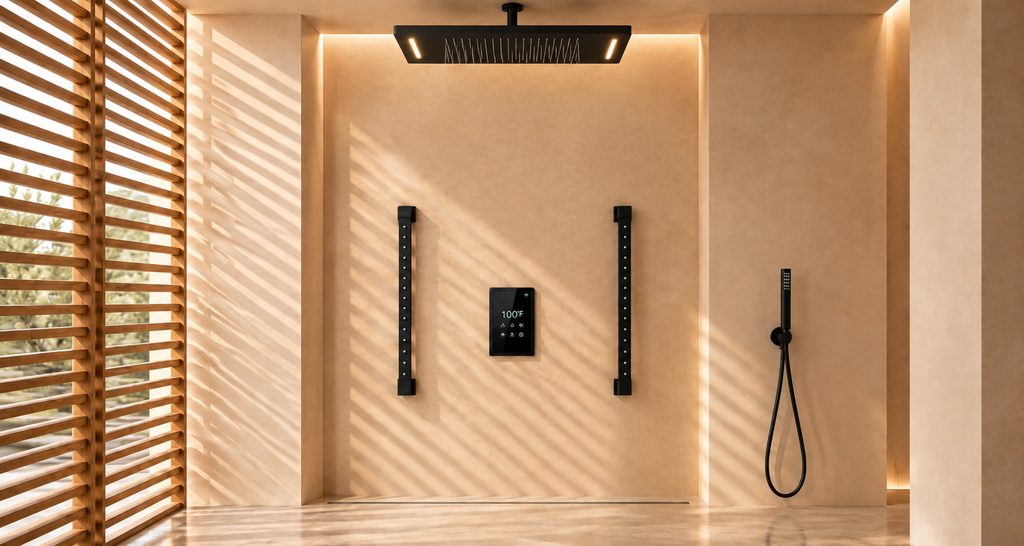
Facility & Maintenance Research
Connect design decisions with replacement components, access, standardization and room downtime.
Read Research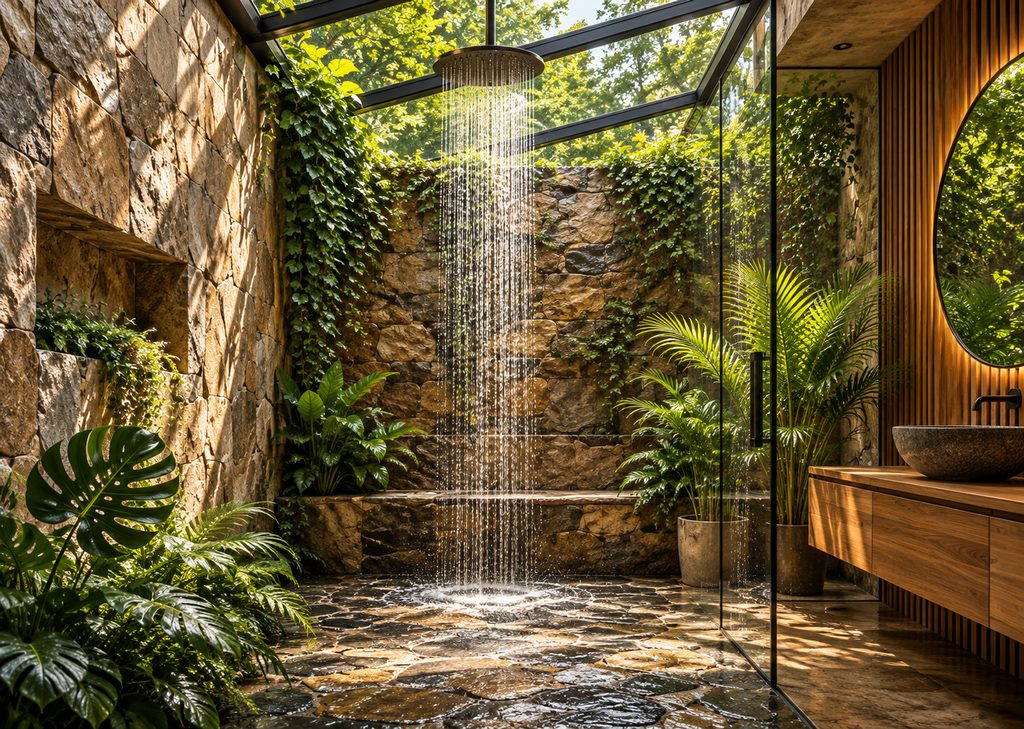
Engineering Research
Coordinate the water system before finalizing the fixture.
Continue through Hospitality Shower’s research on hotel shower systems, renovation constraints, facility management and procurement to connect engineering decisions with long-term property operation.